How to Find Rare Vinyl Records and Avoid Overpaying Online
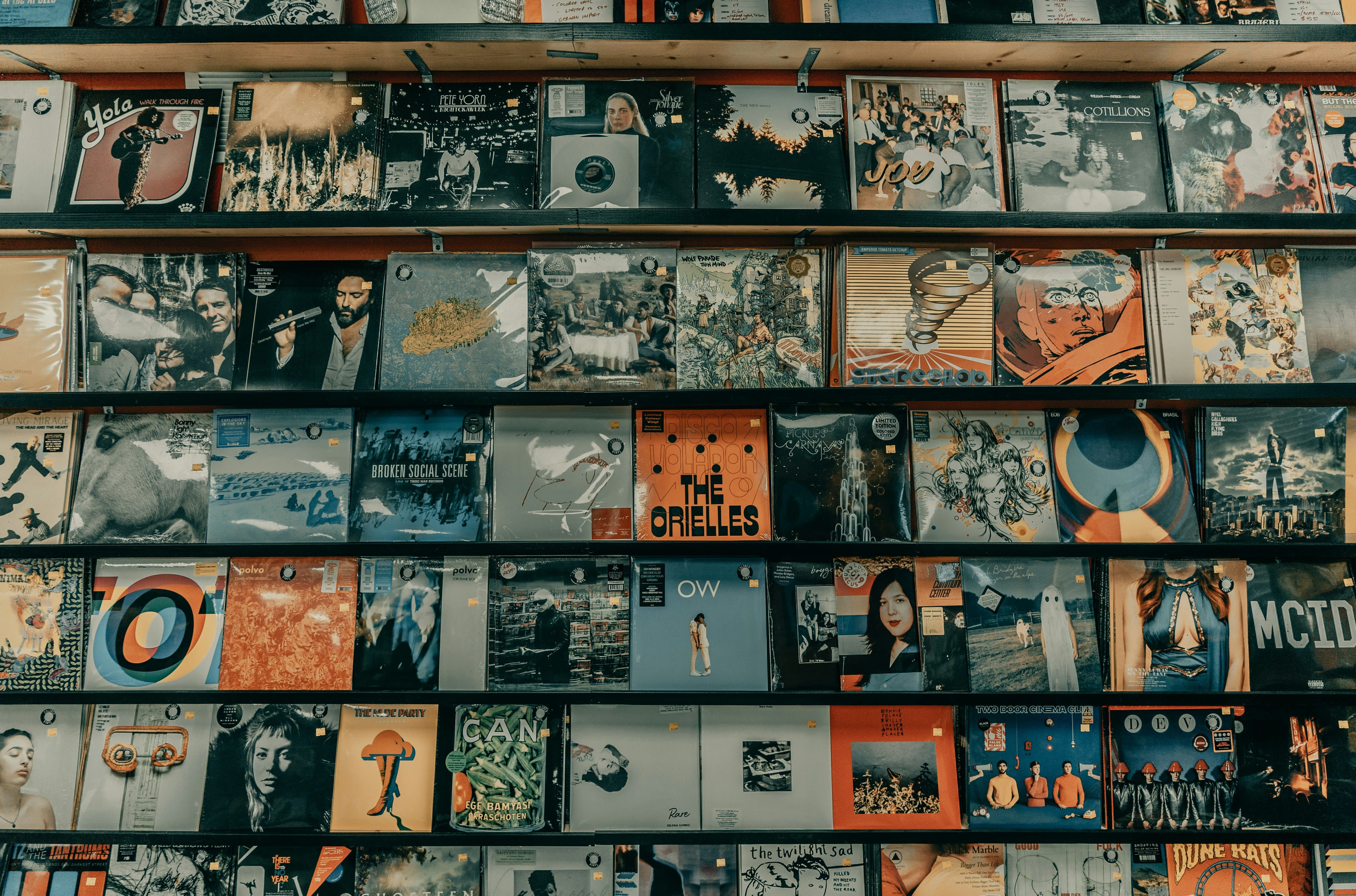


Finding rare vinyl records online is easier than it used to be, but buying the right copy at the right price is still difficult.
Collectors now have access to marketplaces, auction platforms, independent record stores, label websites, and community-driven selling platforms across Europe and beyond. The challenge is no longer only where to look. The real challenge is knowing what is actually rare, how to identify the right pressing, and how to avoid paying too much for a listing that only looks special.
This guide explains how collectors find rare vinyl records online, how to identify valuable pressings more accurately, and where different kinds of rare records are most likely to appear.
What Makes a Vinyl Record Rare
Not every old record is rare, and not every expensive record is truly collectible.
A vinyl record usually becomes rare because supply is limited and collector demand is real. In practical terms, rarity often comes from a combination of the following factors:
limited original pressing numbers,
first pressings,
releases from small or short-lived labels,
withdrawn or banned releases,
test pressings,
local or regional releases with small distribution,
records that were never officially reissued.
A rare record is usually difficult to find consistently, not just priced high by one seller.
How to Identify Rare Vinyl More Accurately
Before buying a supposedly rare record, identify the exact release as precisely as possible.
Important details include:
catalog number,
label,
country of release,
year of release,
barcode,
matrix or runout details,
sleeve differences,
inserts, stickers, obi strips, and extras,
whether the copy is a first pressing or later repress.
The more exact your release identification is, the easier it becomes to separate real collector value from vague marketplace hype.
Why Condition Changes Everything
Condition has a huge impact on the value of rare vinyl.
Two copies of the same rare record can have very different market value depending on:
media condition,
sleeve condition,
seam splits,
writing or stickers,
warping,
surface noise,
missing inserts or extras.
A record may be genuinely rare but still overpriced if the condition does not justify the asking price.
Why Rare Vinyl Is Hard to Price
Rare records do not have one fixed price.
Their market value changes depending on:
how often copies come up for sale,
how strong collector demand is at the moment,
the exact pressing,
the seller’s credibility,
the condition of the copy,
whether the listing is accurately described.
That is why one listing alone should never define your idea of value.
How to Avoid Overpaying
Collectors usually overpay in the same situations:
when they rush because they are afraid they will never see the record again,
when they confuse age with rarity,
when they do not verify the pressing properly,
when they rely on a single marketplace only,
when they ignore condition details.
Patience is one of the most valuable skills in vinyl collecting. A record can be rare and still not worth buying at any price.
Best Places to Find Rare Vinyl Records Online
Rare vinyl records appear in different places depending on the kind of rarity you are looking for.
Discogs
Discogs is still one of the first places many collectors search.
Its biggest strength is release precision. Buyers can search by pressing, compare versions, and study listing history in a way that general marketplaces do not support as well.
Discogs is particularly strong when you already know the exact release you want and need a marketplace built around collector detail.
Catawiki
Catawiki is especially relevant for more collectible or auction-worthy records.
Its auction format can surface unusual, higher-value, or more curated items that do not always appear in standard marketplace search results. For collectors looking at rare pressings, special editions, or harder-to-find lots, it can be a useful complementary channel.
HHV and Specialist Record Stores
Retailers such as HHV and other specialist stores are valuable in a different way.
They are often strong for limited new releases, label exclusives, underground scenes, and titles that may become harder to find later once initial stock disappears. This is especially true in electronic music, jazz, hip-hop, soul, and experimental genres.
If you are trying to catch records early before they become expensive on the secondary market, specialist shops matter a lot.
Record Fairs, Shops, and Community Networks
Online buying is important, but many rare records are still found through networks rather than pure search.
Collectors often discover rare items by:
following specialist stores,
tracking trusted sellers,
joining collector communities,
staying close to local scenes,
checking record fair inventories and updates.
Sometimes the real edge comes from relationships and consistency, not from one marketplace search.
DWICE
DWICE is most relevant when rare vinyl discovery is driven by people, not only by database search.
Some records surface unexpectedly through trusted sellers, independent record shops, or collectors with strong taste and niche inventory. A discovery-driven marketplace can help buyers encounter records they were not actively searching for but would still highly value.
For collectors in Europe, that mix of discovery, proximity, and simpler cross-border buying can be especially useful.
Red Flags to Watch Before You Buy
Be cautious when:
the release is not clearly identified,
the grading is vague,
the seller uses generic photos,
the description avoids pressing details,
the asking price is very high without a clear reason,
the seller cannot answer simple verification questions.
If the listing is unclear, ask questions first. Rare vinyl is where vague listings become expensive mistakes.
A Smarter Rare Vinyl Strategy
The best collectors do not only search harder. They search smarter.
A practical strategy looks like this:
identify the exact release you want,
compare more than one platform,
track availability over time,
verify the condition carefully,
avoid rushing because of fear of missing out,
buy when the copy, the price, and the condition actually align.
That approach usually produces better collections and fewer regrets.
Conclusion
Finding rare vinyl records online is not only about luck anymore.
The real advantage comes from understanding what makes a record rare, learning how to identify pressings properly, and knowing where different types of rare records are most likely to appear. Once you combine patience with good release knowledge, you are much less likely to overpay and much more likely to buy records that genuinely matter.
FAQ
How do I know if a vinyl record is rare?
A vinyl record is usually rare when supply is low, collector demand is real, and copies do not appear regularly on the market.
What is the best website to find rare vinyl records?
There is no single best source for every rare record. Discogs, Catawiki, specialist record stores, and collector-focused marketplaces each help in different ways.
Are first pressings always more valuable?
Not always, but first pressings are often more desirable because they are the earliest versions of a release and may include details missing from later represses.
Why are some rare vinyl records so expensive?
Rare vinyl prices are usually driven by low supply, strong collector demand, pressing-specific details, and condition.
Finding rare vinyl records online is easier than it used to be, but buying the right copy at the right price is still difficult.
Collectors now have access to marketplaces, auction platforms, independent record stores, label websites, and community-driven selling platforms across Europe and beyond. The challenge is no longer only where to look. The real challenge is knowing what is actually rare, how to identify the right pressing, and how to avoid paying too much for a listing that only looks special.
This guide explains how collectors find rare vinyl records online, how to identify valuable pressings more accurately, and where different kinds of rare records are most likely to appear.
What Makes a Vinyl Record Rare
Not every old record is rare, and not every expensive record is truly collectible.
A vinyl record usually becomes rare because supply is limited and collector demand is real. In practical terms, rarity often comes from a combination of the following factors:
limited original pressing numbers,
first pressings,
releases from small or short-lived labels,
withdrawn or banned releases,
test pressings,
local or regional releases with small distribution,
records that were never officially reissued.
A rare record is usually difficult to find consistently, not just priced high by one seller.
How to Identify Rare Vinyl More Accurately
Before buying a supposedly rare record, identify the exact release as precisely as possible.
Important details include:
catalog number,
label,
country of release,
year of release,
barcode,
matrix or runout details,
sleeve differences,
inserts, stickers, obi strips, and extras,
whether the copy is a first pressing or later repress.
The more exact your release identification is, the easier it becomes to separate real collector value from vague marketplace hype.
Why Condition Changes Everything
Condition has a huge impact on the value of rare vinyl.
Two copies of the same rare record can have very different market value depending on:
media condition,
sleeve condition,
seam splits,
writing or stickers,
warping,
surface noise,
missing inserts or extras.
A record may be genuinely rare but still overpriced if the condition does not justify the asking price.
Why Rare Vinyl Is Hard to Price
Rare records do not have one fixed price.
Their market value changes depending on:
how often copies come up for sale,
how strong collector demand is at the moment,
the exact pressing,
the seller’s credibility,
the condition of the copy,
whether the listing is accurately described.
That is why one listing alone should never define your idea of value.
How to Avoid Overpaying
Collectors usually overpay in the same situations:
when they rush because they are afraid they will never see the record again,
when they confuse age with rarity,
when they do not verify the pressing properly,
when they rely on a single marketplace only,
when they ignore condition details.
Patience is one of the most valuable skills in vinyl collecting. A record can be rare and still not worth buying at any price.
Best Places to Find Rare Vinyl Records Online
Rare vinyl records appear in different places depending on the kind of rarity you are looking for.
Discogs
Discogs is still one of the first places many collectors search.
Its biggest strength is release precision. Buyers can search by pressing, compare versions, and study listing history in a way that general marketplaces do not support as well.
Discogs is particularly strong when you already know the exact release you want and need a marketplace built around collector detail.
Catawiki
Catawiki is especially relevant for more collectible or auction-worthy records.
Its auction format can surface unusual, higher-value, or more curated items that do not always appear in standard marketplace search results. For collectors looking at rare pressings, special editions, or harder-to-find lots, it can be a useful complementary channel.
HHV and Specialist Record Stores
Retailers such as HHV and other specialist stores are valuable in a different way.
They are often strong for limited new releases, label exclusives, underground scenes, and titles that may become harder to find later once initial stock disappears. This is especially true in electronic music, jazz, hip-hop, soul, and experimental genres.
If you are trying to catch records early before they become expensive on the secondary market, specialist shops matter a lot.
Record Fairs, Shops, and Community Networks
Online buying is important, but many rare records are still found through networks rather than pure search.
Collectors often discover rare items by:
following specialist stores,
tracking trusted sellers,
joining collector communities,
staying close to local scenes,
checking record fair inventories and updates.
Sometimes the real edge comes from relationships and consistency, not from one marketplace search.
DWICE
DWICE is most relevant when rare vinyl discovery is driven by people, not only by database search.
Some records surface unexpectedly through trusted sellers, independent record shops, or collectors with strong taste and niche inventory. A discovery-driven marketplace can help buyers encounter records they were not actively searching for but would still highly value.
For collectors in Europe, that mix of discovery, proximity, and simpler cross-border buying can be especially useful.
Red Flags to Watch Before You Buy
Be cautious when:
the release is not clearly identified,
the grading is vague,
the seller uses generic photos,
the description avoids pressing details,
the asking price is very high without a clear reason,
the seller cannot answer simple verification questions.
If the listing is unclear, ask questions first. Rare vinyl is where vague listings become expensive mistakes.
A Smarter Rare Vinyl Strategy
The best collectors do not only search harder. They search smarter.
A practical strategy looks like this:
identify the exact release you want,
compare more than one platform,
track availability over time,
verify the condition carefully,
avoid rushing because of fear of missing out,
buy when the copy, the price, and the condition actually align.
That approach usually produces better collections and fewer regrets.
Conclusion
Finding rare vinyl records online is not only about luck anymore.
The real advantage comes from understanding what makes a record rare, learning how to identify pressings properly, and knowing where different types of rare records are most likely to appear. Once you combine patience with good release knowledge, you are much less likely to overpay and much more likely to buy records that genuinely matter.
FAQ
How do I know if a vinyl record is rare?
A vinyl record is usually rare when supply is low, collector demand is real, and copies do not appear regularly on the market.
What is the best website to find rare vinyl records?
There is no single best source for every rare record. Discogs, Catawiki, specialist record stores, and collector-focused marketplaces each help in different ways.
Are first pressings always more valuable?
Not always, but first pressings are often more desirable because they are the earliest versions of a release and may include details missing from later represses.
Why are some rare vinyl records so expensive?
Rare vinyl prices are usually driven by low supply, strong collector demand, pressing-specific details, and condition.