How to Ship Vinyl Records Safely (Avoid Damage & Returns)
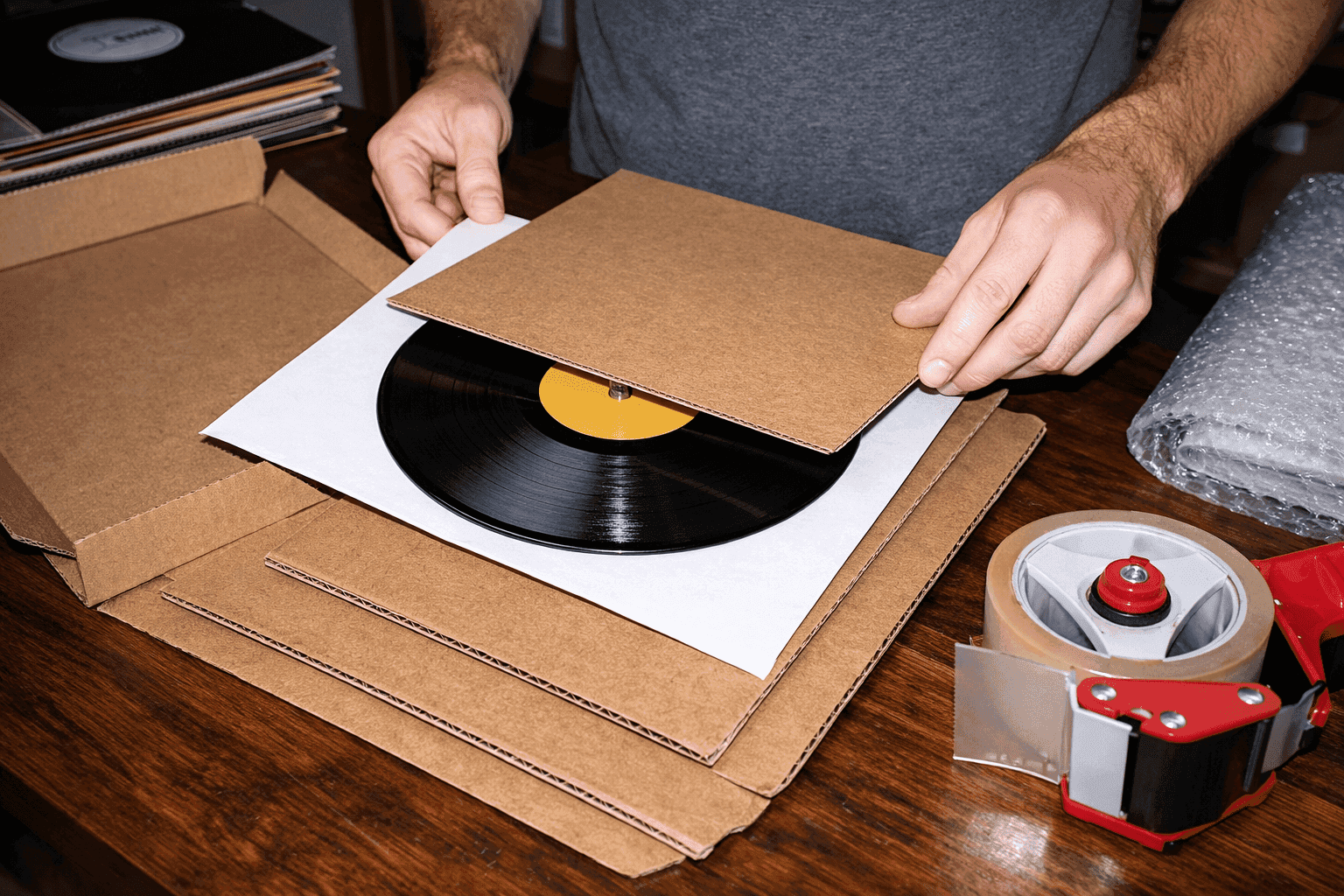


Shipping vinyl records may seem simple, but it is one of the most common sources of issues for collectors and sellers.
From bent corners to warped records, improper packaging can quickly damage a record during transit. Whether you are a casual seller or a professional record shop, knowing how to ship vinyl records safely is essential.
Why Shipping Vinyl Records Is Risky
Vinyl records are fragile by nature. While the records themselves can handle some pressure, sleeves and corners are particularly vulnerable.
During shipping, packages are stacked, dropped, and exposed to temperature changes. Even small impacts can damage the sleeve or affect the record inside.
For collectors, condition matters. A damaged sleeve or warped record can significantly reduce value.
What You Need to Ship Vinyl Records
Before packing a record, make sure you have the right materials:
Sturdy LP mailers designed for vinyl records,
Cardboard inserts or stiffeners,
Inner sleeves to protect the vinyl,
Outer sleeves to protect the cover,
Strong tape for sealing.
Using proper materials is the foundation of safe shipping.
How to Pack Vinyl Records
Follow these steps to reduce the risk of damage:
Remove the record from the sleeve,
Place the vinyl in an inner sleeve,
Sandwich the record between cardboard pads,
Insert everything into a proper LP mailer,
Seal the package securely.
This process prevents movement and protects both the vinyl and the sleeve.
Common Mistakes When Shipping Vinyl
Many issues come from avoidable mistakes:
Shipping the record inside the sleeve,
Using weak or oversized packaging,
Not adding enough protection,
Ignoring corner protection,
Underestimating how packages are handled.
Avoiding these mistakes makes a major difference.
Shipping Costs and Tracking
Shipping costs can vary significantly depending on the platform.
On many marketplaces, sellers define their own shipping prices. This often leads to inconsistent costs and surprises for buyers.
Tracking is essential. Without it, lost packages become difficult to resolve and create friction between buyers and sellers.
Why Standardized Shipping Matters
Beyond packaging, the structure of shipping plays a key role.
When every seller defines their own shipping conditions, the experience becomes inconsistent. Pricing, delivery times, and protection levels can vary widely from one listing to another.
This lack of standardization often leads to uncertainty for buyers and additional complexity for sellers.
Standardized shipping offers a different approach:
fixed pricing,
integrated tracking,
insured delivery.
These elements reduce friction and create a more predictable experience.
Some newer platforms, such as DWICE, integrate shipping directly into the transaction process. By standardizing delivery options and including insurance by default, they remove much of the uncertainty typically associated with buying and selling vinyl records online.
For collectors, this means knowing what to expect before purchasing. For sellers and record shops, it simplifies logistics and reduces operational overhead.
Conclusion
Shipping vinyl records safely is not just about packaging.
It is about combining proper protection with reliable and consistent logistics. As the vinyl market grows, simplifying shipping becomes essential for a better overall experience.
FAQ
What is the safest way to ship vinyl records?
Remove the record from the sleeve, protect it with cardboard inserts, and use a sturdy LP mailer.
Should you remove the vinyl from the sleeve?
Yes. This prevents seam splits and protects the sleeve during transport.
How much does it cost to ship vinyl records?
Costs vary depending on the platform and location, especially when shipping prices are defined by individual sellers.
Shipping vinyl records may seem simple, but it is one of the most common sources of issues for collectors and sellers.
From bent corners to warped records, improper packaging can quickly damage a record during transit. Whether you are a casual seller or a professional record shop, knowing how to ship vinyl records safely is essential.
Why Shipping Vinyl Records Is Risky
Vinyl records are fragile by nature. While the records themselves can handle some pressure, sleeves and corners are particularly vulnerable.
During shipping, packages are stacked, dropped, and exposed to temperature changes. Even small impacts can damage the sleeve or affect the record inside.
For collectors, condition matters. A damaged sleeve or warped record can significantly reduce value.
What You Need to Ship Vinyl Records
Before packing a record, make sure you have the right materials:
Sturdy LP mailers designed for vinyl records,
Cardboard inserts or stiffeners,
Inner sleeves to protect the vinyl,
Outer sleeves to protect the cover,
Strong tape for sealing.
Using proper materials is the foundation of safe shipping.
How to Pack Vinyl Records
Follow these steps to reduce the risk of damage:
Remove the record from the sleeve,
Place the vinyl in an inner sleeve,
Sandwich the record between cardboard pads,
Insert everything into a proper LP mailer,
Seal the package securely.
This process prevents movement and protects both the vinyl and the sleeve.
Common Mistakes When Shipping Vinyl
Many issues come from avoidable mistakes:
Shipping the record inside the sleeve,
Using weak or oversized packaging,
Not adding enough protection,
Ignoring corner protection,
Underestimating how packages are handled.
Avoiding these mistakes makes a major difference.
Shipping Costs and Tracking
Shipping costs can vary significantly depending on the platform.
On many marketplaces, sellers define their own shipping prices. This often leads to inconsistent costs and surprises for buyers.
Tracking is essential. Without it, lost packages become difficult to resolve and create friction between buyers and sellers.
Why Standardized Shipping Matters
Beyond packaging, the structure of shipping plays a key role.
When every seller defines their own shipping conditions, the experience becomes inconsistent. Pricing, delivery times, and protection levels can vary widely from one listing to another.
This lack of standardization often leads to uncertainty for buyers and additional complexity for sellers.
Standardized shipping offers a different approach:
fixed pricing,
integrated tracking,
insured delivery.
These elements reduce friction and create a more predictable experience.
Some newer platforms, such as DWICE, integrate shipping directly into the transaction process. By standardizing delivery options and including insurance by default, they remove much of the uncertainty typically associated with buying and selling vinyl records online.
For collectors, this means knowing what to expect before purchasing. For sellers and record shops, it simplifies logistics and reduces operational overhead.
Conclusion
Shipping vinyl records safely is not just about packaging.
It is about combining proper protection with reliable and consistent logistics. As the vinyl market grows, simplifying shipping becomes essential for a better overall experience.
FAQ
What is the safest way to ship vinyl records?
Remove the record from the sleeve, protect it with cardboard inserts, and use a sturdy LP mailer.
Should you remove the vinyl from the sleeve?
Yes. This prevents seam splits and protects the sleeve during transport.
How much does it cost to ship vinyl records?
Costs vary depending on the platform and location, especially when shipping prices are defined by individual sellers.