Why Buying Vinyl Records Online Is Still Broken (And What Needs to Change)
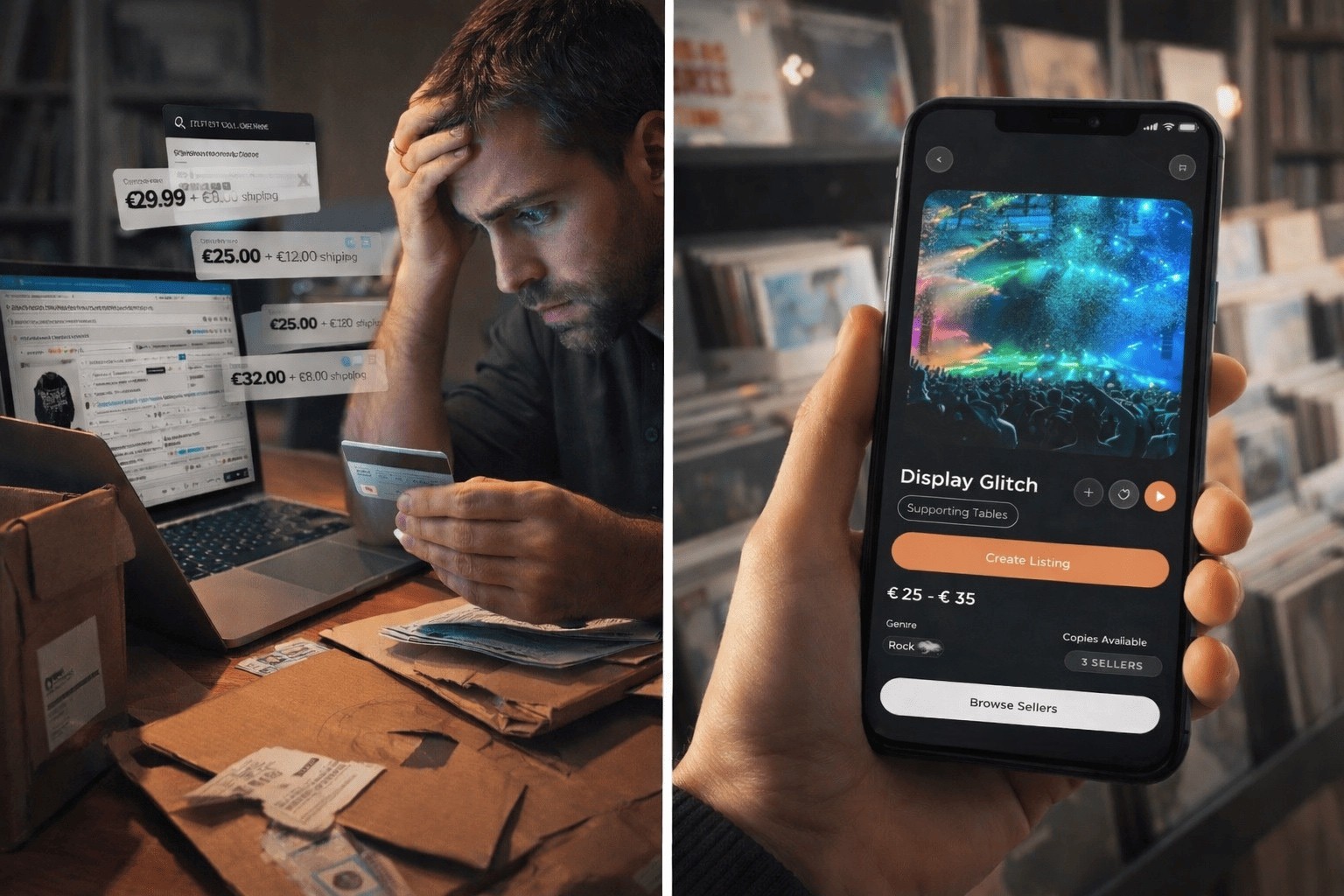


Buying vinyl records online should be simple.
Find a record, check the price, place an order, receive it safely.
But for most collectors, the reality is very different.
Despite the growth of vinyl records in recent years, the online buying experience remains fragmented, inconsistent, and often frustrating.
Here’s why buying vinyl records online is still broken today.
1. Prices Are Not Transparent
One of the biggest issues when buying vinyl records online is the lack of price clarity.
The price you see is rarely the price you pay.
Buyers often face:
hidden fees at checkout,
unpredictable shipping costs,
payment processing fees (e.g. PayPal on some platforms).
This makes it difficult to compare listings and understand the true cost of a record.
In many cases, a “cheaper” listing ends up being more expensive once everything is included.
2. Shipping Is Inconsistent and Risky
Shipping vinyl records is still one of the weakest parts of the experience.
Most marketplaces leave logistics entirely to the seller, which creates:
inconsistent packaging standards,
varying shipping prices,
long and unpredictable delivery times.
For collectors, this means every purchase comes with uncertainty.
Will the record arrive safely?
Will it be delayed?
Was it packaged properly?
The answer depends on the seller, not the platform.
3. Discovery Is Still Based on Search
Most platforms rely heavily on manual search.
But search only works if you already know what you’re looking for.
Vinyl culture has always been about discovery through:
record shops,
DJs and collectors,
curated selections.
Online, this layer is often missing.
Users scroll through thousands of listings without context, making discovery inefficient and time-consuming.
4. Trust Is Not Built Into the System
Trust is critical when buying vinyl records, especially across countries.
Yet most platforms still rely on:
basic seller ratings,
manual dispute resolution,
inconsistent grading standards.
Buyers take risks with every purchase.
Sellers, on the other hand, have to handle issues without real platform support.
Trust is not embedded into the system, it is left to the users.
5. Record Shops Are Treated Like Any Seller
Independent record shops are essential to vinyl culture.
They curate, select, and provide expertise.
However, online marketplaces rarely differentiate them from individual sellers.
As a result, record shops have to:
manage listings across multiple platforms,
handle shipping manually,
compete in environments not designed for curation.
This limits their ability to scale and maintain their identity online.
What a Better Vinyl Marketplace Should Look Like
To fix these issues, marketplaces need to rethink the experience from the ground up.
A better system should include:
transparent pricing (no hidden fees),
standardized and insured shipping,
curated discovery, not just search,
built-in trust and protection for buyers and sellers.
This is not about small improvements. It requires a different approach to how vinyl records are bought and sold online.
A New Generation of Platforms
Some platforms are starting to address these problems.
On DWICE, for example:
shipping is standardized and insurance integrated into the transaction,
pricing is clear upfront,
buyers can follow record shops and sellers,
discovery is based on personalized feeds, not just search.
This reduces friction, increases trust, and brings the experience closer to what vinyl culture has always been about: people and curation.
Conclusion
Buying vinyl records online is still broken because the system was not designed for how people actually discover and buy music.
Fragmented pricing, inconsistent shipping, poor discovery, and lack of trust continue to define the experience.
The next generation of vinyl marketplaces will be built differently.
They will simplify transactions, standardize logistics, and bring back the human element of discovery.
FAQ
Why is buying vinyl records online so expensive?
Buying vinyl records online can be expensive due to hidden fees, high shipping costs, and payment processing charges. On many platforms, sellers set their own shipping prices, which can vary significantly and increase the total cost.
Is it safe to buy vinyl records online?
Buying vinyl records online is generally safe, but it depends on the platform and the seller. Risks include poor packaging, inaccurate grading, and delivery issues. Platforms with built-in protection, standardized shipping, and verified sellers offer a safer experience.
What is the best way to buy vinyl records online in Europe?
The best way to buy vinyl records online in Europe is to use platforms that offer transparent pricing, reliable shipping, and curated discovery. Following trusted record shops and sellers can also improve the buying experience and reduce risk.
Why is shipping vinyl records so complicated?
Shipping vinyl records is complicated because most marketplaces leave logistics to individual sellers. This leads to inconsistent packaging, variable pricing, and different delivery standards across orders.
Are there better alternatives to traditional vinyl marketplaces?
Yes, newer platforms are improving the experience by offering standardized shipping, clearer pricing, and personalized discovery. These platforms aim to simplify buying and reduce the risks associated with traditional marketplaces.
Buying vinyl records online should be simple.
Find a record, check the price, place an order, receive it safely.
But for most collectors, the reality is very different.
Despite the growth of vinyl records in recent years, the online buying experience remains fragmented, inconsistent, and often frustrating.
Here’s why buying vinyl records online is still broken today.
1. Prices Are Not Transparent
One of the biggest issues when buying vinyl records online is the lack of price clarity.
The price you see is rarely the price you pay.
Buyers often face:
hidden fees at checkout,
unpredictable shipping costs,
payment processing fees (e.g. PayPal on some platforms).
This makes it difficult to compare listings and understand the true cost of a record.
In many cases, a “cheaper” listing ends up being more expensive once everything is included.
2. Shipping Is Inconsistent and Risky
Shipping vinyl records is still one of the weakest parts of the experience.
Most marketplaces leave logistics entirely to the seller, which creates:
inconsistent packaging standards,
varying shipping prices,
long and unpredictable delivery times.
For collectors, this means every purchase comes with uncertainty.
Will the record arrive safely?
Will it be delayed?
Was it packaged properly?
The answer depends on the seller, not the platform.
3. Discovery Is Still Based on Search
Most platforms rely heavily on manual search.
But search only works if you already know what you’re looking for.
Vinyl culture has always been about discovery through:
record shops,
DJs and collectors,
curated selections.
Online, this layer is often missing.
Users scroll through thousands of listings without context, making discovery inefficient and time-consuming.
4. Trust Is Not Built Into the System
Trust is critical when buying vinyl records, especially across countries.
Yet most platforms still rely on:
basic seller ratings,
manual dispute resolution,
inconsistent grading standards.
Buyers take risks with every purchase.
Sellers, on the other hand, have to handle issues without real platform support.
Trust is not embedded into the system, it is left to the users.
5. Record Shops Are Treated Like Any Seller
Independent record shops are essential to vinyl culture.
They curate, select, and provide expertise.
However, online marketplaces rarely differentiate them from individual sellers.
As a result, record shops have to:
manage listings across multiple platforms,
handle shipping manually,
compete in environments not designed for curation.
This limits their ability to scale and maintain their identity online.
What a Better Vinyl Marketplace Should Look Like
To fix these issues, marketplaces need to rethink the experience from the ground up.
A better system should include:
transparent pricing (no hidden fees),
standardized and insured shipping,
curated discovery, not just search,
built-in trust and protection for buyers and sellers.
This is not about small improvements. It requires a different approach to how vinyl records are bought and sold online.
A New Generation of Platforms
Some platforms are starting to address these problems.
On DWICE, for example:
shipping is standardized and insurance integrated into the transaction,
pricing is clear upfront,
buyers can follow record shops and sellers,
discovery is based on personalized feeds, not just search.
This reduces friction, increases trust, and brings the experience closer to what vinyl culture has always been about: people and curation.
Conclusion
Buying vinyl records online is still broken because the system was not designed for how people actually discover and buy music.
Fragmented pricing, inconsistent shipping, poor discovery, and lack of trust continue to define the experience.
The next generation of vinyl marketplaces will be built differently.
They will simplify transactions, standardize logistics, and bring back the human element of discovery.
FAQ
Why is buying vinyl records online so expensive?
Buying vinyl records online can be expensive due to hidden fees, high shipping costs, and payment processing charges. On many platforms, sellers set their own shipping prices, which can vary significantly and increase the total cost.
Is it safe to buy vinyl records online?
Buying vinyl records online is generally safe, but it depends on the platform and the seller. Risks include poor packaging, inaccurate grading, and delivery issues. Platforms with built-in protection, standardized shipping, and verified sellers offer a safer experience.
What is the best way to buy vinyl records online in Europe?
The best way to buy vinyl records online in Europe is to use platforms that offer transparent pricing, reliable shipping, and curated discovery. Following trusted record shops and sellers can also improve the buying experience and reduce risk.
Why is shipping vinyl records so complicated?
Shipping vinyl records is complicated because most marketplaces leave logistics to individual sellers. This leads to inconsistent packaging, variable pricing, and different delivery standards across orders.
Are there better alternatives to traditional vinyl marketplaces?
Yes, newer platforms are improving the experience by offering standardized shipping, clearer pricing, and personalized discovery. These platforms aim to simplify buying and reduce the risks associated with traditional marketplaces.